
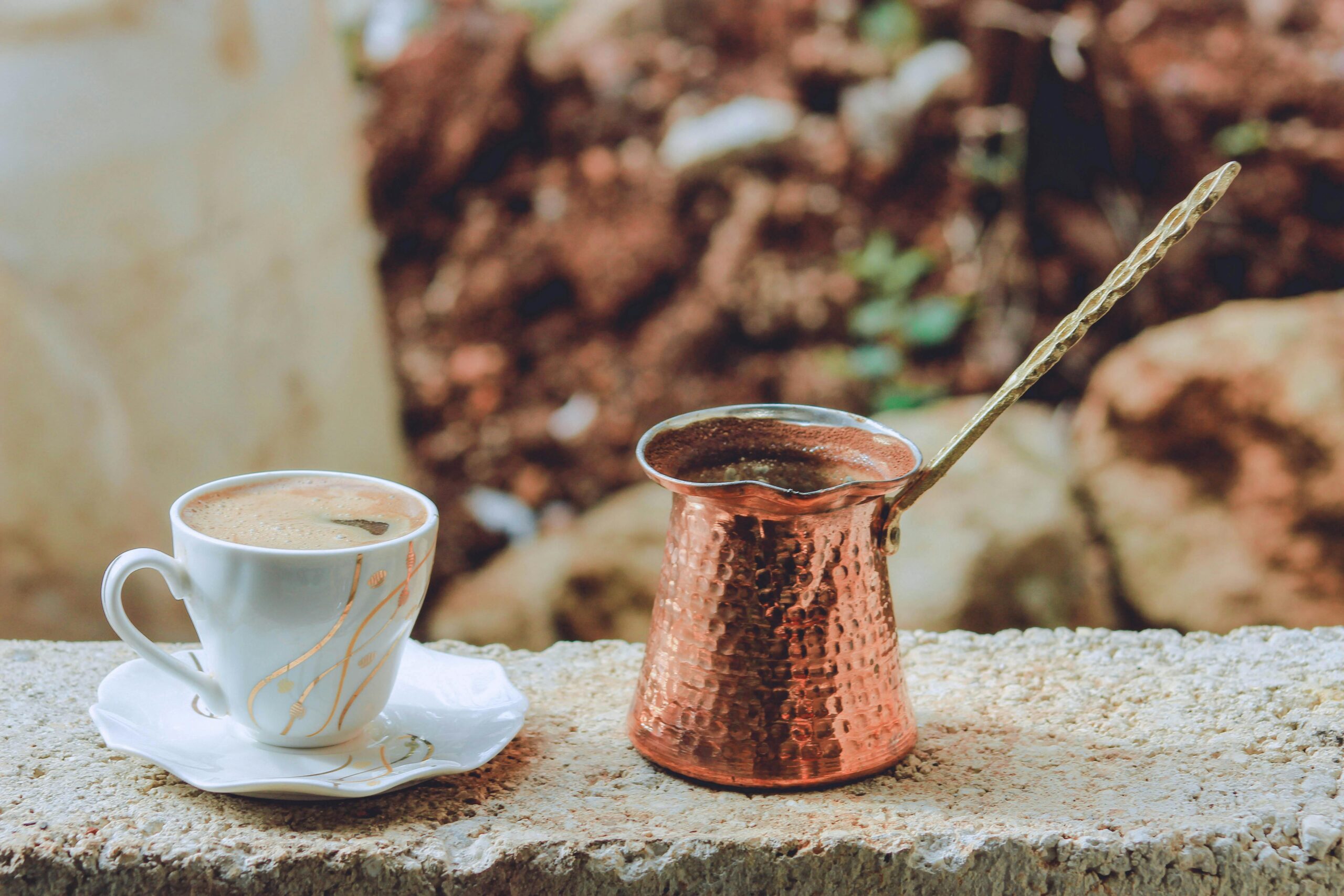
Turkish coffee, a centuries-old tradition, is more than just a drink—it’s a cultural experience. Known for its rich history and unique preparation methods, Turkish coffee offers a flavorful journey that captivates coffee enthusiasts worldwide. Join us as we explore the historical roots, cultural significance, brewing techniques, and distinctive flavors of this beloved beverage.
The Rich History of Turkish Coffee
Turkish coffee traces its origins back to the 16th century when it was introduced to the Ottoman Empire. The coffee trade flourished in Istanbul, making it a central hub for coffee lovers. Coffee houses, known as “kahvehane,” became popular social gathering spots where intellectuals and artists would discuss politics, philosophy, and art over a steaming cup of Turkish coffee. These venues played a pivotal role in shaping the cultural and social fabric of the era.
The introduction of Turkish coffee to Europe was a significant milestone that marked the beginning of a global coffee culture. It was through the Ottoman Empire that coffee first reached the shores of Venice, eventually spreading to other parts of Europe. The exotic allure of Turkish coffee, with its unique brewing method and intense flavor, captivated European palates, leading to its enduring popularity.
Throughout history, Turkish coffee has been more than just a beverage; it has been a symbol of hospitality and friendship. Offering a cup to guests is a gesture of warmth and respect, a tradition that continues in Turkish homes today. This rich history not only highlights the beverage’s significance but also its ability to bring people together across centuries and cultures.
Cultural Significance and Rituals
In Turkey, coffee is deeply embedded in cultural traditions and rituals. One of the most notable practices is the reading of coffee grounds, known as “fal,” where the remains at the bottom of the cup are used to tell fortunes. This ritual adds an element of mystery and entertainment, often sparking lively conversations and laughter among friends and family.
Turkish coffee plays an essential role in Turkish weddings, where it is customary for the bride-to-be to prepare coffee for the groom’s family during the pre-wedding ceremony. The way she makes the coffee can be seen as a reflection of her domestic skills and hospitality. Interestingly, some brides add salt instead of sugar to the groom’s coffee as a playful test of his character and patience.
Coffee is also an integral part of social interactions and daily life. Whether it’s a leisurely afternoon spent in a traditional coffee house or a quick coffee break at work, Turkish coffee fosters connections and conversations. This cultural significance underscores the beverage’s role as more than just a drink—it’s a cherished tradition that enhances the social fabric of Turkish society.
Unique Brewing Techniques Explained
Brewing Turkish coffee is an art form that requires skill and precision. It begins with the selection of finely ground coffee, almost as fine as powdered sugar. This coffee is combined with water and sugar (optional) in a small pot called a “cezve” or “ibrik.” The mixture is then heated slowly over a low flame, allowing the flavors to meld together.
One of the key aspects of brewing Turkish coffee is the creation of a rich foam, known as “köpük,” on top of the coffee. Achieving this requires careful attention to the brewing process, as the coffee must be removed from the heat just before it reaches a boil. This step is repeated several times to ensure a thick, velvety foam that is a hallmark of a well-prepared cup.
Once brewed, the coffee is poured into small cups, often without filtering, allowing the grounds to settle at the bottom. This method of preparation not only enhances the flavor but also contributes to the coffee’s thick, bold texture. The unfiltered nature of Turkish coffee is what sets it apart, offering a unique sensory experience that is both aromatic and flavorful.
Exploring the Flavor Profile and Aromas of Turkish Coffee
Turkish coffee is renowned for its distinctive flavor profile, characterized by its strong, full-bodied taste and rich aroma. The use of finely ground coffee allows for maximum extraction of flavors, resulting in a brew that is both intense and satisfying. The addition of cardamom or other spices can further enhance the complexity, offering a subtle yet delightful twist.
The aroma of Turkish coffee is equally captivating, with its earthy and nutty notes that fill the room as soon as the coffee begins to brew. This aromatic experience is an integral part of enjoying Turkish coffee, as it prepares the senses for the rich flavors that follow. The sensory journey begins with the scent and continues with each sip, offering a deep and immersive coffee experience.
The flavor and aroma of Turkish coffee are also influenced by its unfiltered nature, which allows the natural oils and fine particles to remain in the cup. This results in a thicker, more robust texture that lingers on the palate, providing a lasting impression. It’s this unique combination of flavors and aromas that makes Turkish coffee a beloved choice for coffee aficionados around the world.
Turkish coffee is a testament to the rich tapestry of history, culture, and flavor that defines this ancient brew. From its storied origins to its intricate brewing techniques, Turkish coffee offers a unique experience that has captivated generations. Whether you’re savoring its bold taste or participating in its time-honored rituals, Turkish coffee invites you to indulge in a tradition that transcends time and borders.