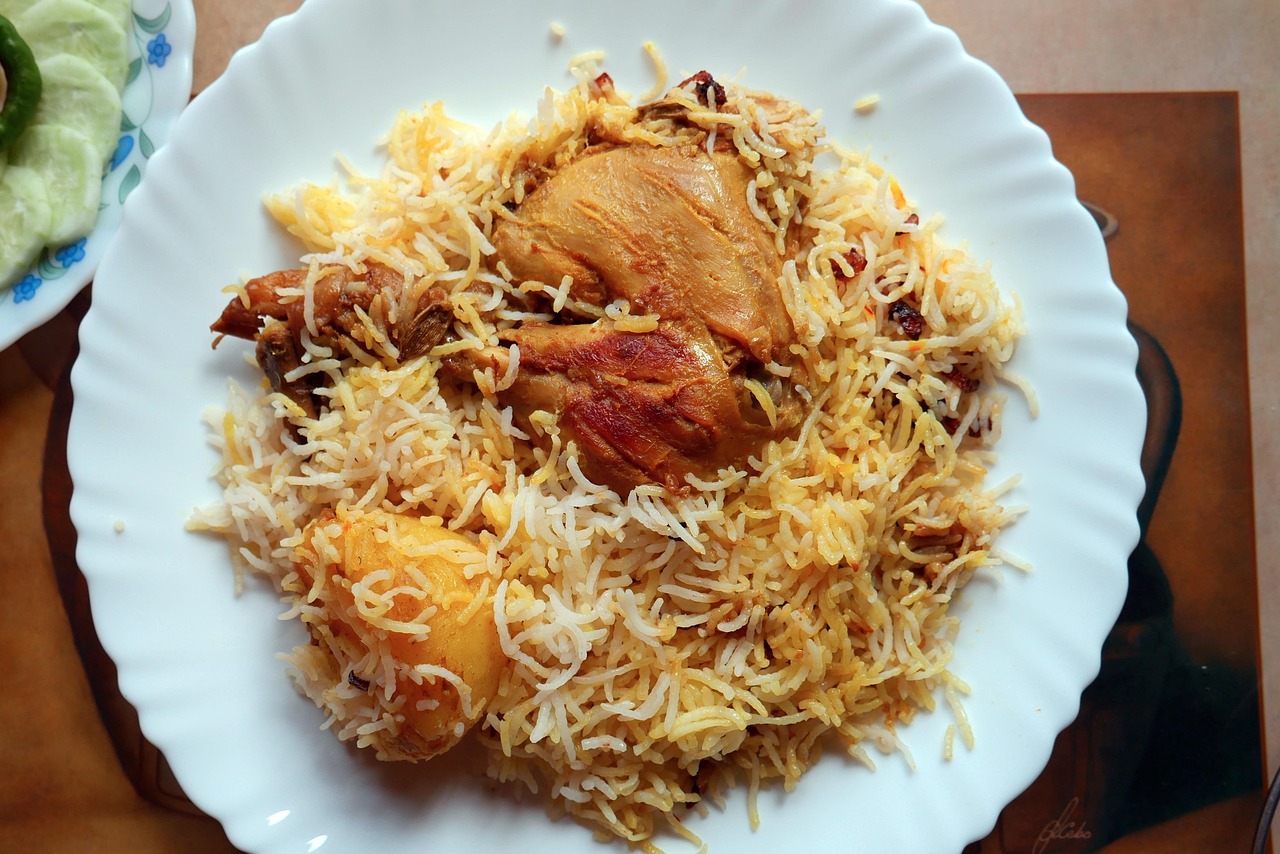
Dhakai Biryani, a beloved culinary gem originating from the historic city of Dhaka, Bangladesh, has captivated food enthusiasts around the world with its aromatic flavors and rich heritage. Known for its distinctive taste and fragrant aroma, this biryani is more than just a dish—it’s a symbol of cultural history and culinary artistry. In this article, we’ll explore the fascinating history behind Dhakai Biryani’s unique charm and share an authentic recipe so you can experience a taste of tradition in your own home.
Unveiling the History Behind Dhakai Biryani’s Unique Charm
Dhakai Biryani’s roots trace back to the Mughal era, when the rich culinary traditions of Persia and India blended seamlessly in Bengal. It is believed that the dish was initially influenced by the Persian dish “Yazdi Biryani,” brought to Bengal by Persian traders and Mughal rulers. Over centuries, the local ingredients and flavors were incorporated, transforming it into the distinct Dhakai style known today. This biryani became a staple during royal feasts and special occasions, symbolizing grandeur and elegance.
The city of Dhaka, historically a vibrant trading hub, played a crucial role in shaping the unique characteristics of Dhakai Biryani. The use of local spices, tender meat, and fragrant rice reflects the region’s rich agricultural and trading history. The dish’s signature feature—layered rice and meat with a touch of saffron and caramelized potatoes—evolved over generations, making it a cultural icon in Bangladesh. This culinary tradition was further popularized during the British colonial period, where it became a preferred dish among the elite and common folk alike.
Today, Dhakai Biryani stands as a proud testament to Dhaka’s rich history and cultural synthesis. It embodies centuries of culinary evolution, influenced by Persian, Mughal, and Bengali flavors. Its enduring popularity showcases how food can serve as a living history, carrying stories of trade, conquest, and cultural exchange. When savoring Dhakai Biryani, you’re not just enjoying a meal—you’re indulging in a centuries-old legacy that continues to thrive in the heart of Bangladesh.
Authentic Dhakai Biryani Recipe: A Taste of Tradition
Creating an authentic Dhakai Biryani at home requires careful attention to ingredients and techniques that honor its rich history. Start with high-quality basmati rice, soaking it for at least 30 minutes to ensure perfect fluffiness. The meat, traditionally mutton or chicken, should be marinated with yogurt, turmeric, salt, and spices like cinnamon, cloves, and bay leaves for several hours, allowing the flavors to meld deeply. The rice and meat are layered with caramelized potatoes, saffron-infused milk, and fried onions, creating a symphony of flavors and textures that define Dhakai Biryani.
To begin the preparation, cook the marinated meat with whole spices until tender. Separately, parboil the soaked rice with a pinch of saffron and whole spices to infuse it with aroma and color. In a large pot, layer the cooked meat at the bottom, followed by the partially cooked rice, fried onions, and caramelized potatoes. Drizzle saffron milk over the top and seal the pot with dough to trap the steam, allowing the flavors to meld during a slow cooking process known as “Dum.” The result is a fragrant, flavorful biryani with tender meat, aromatic rice, and a hint of caramelized sweetness.
Serving Dhakai Biryani is an experience in itself—best enjoyed with a side of cooling cucumber raita and a dash of spicy green chili. Its distinct layers and rich aroma make it a feast for the senses, bringing a piece of Dhaka’s history to your dining table. Whether you’re celebrating a special occasion or simply craving authentic flavors, this recipe offers a delicious journey into the heart of Bangladeshi culinary heritage. Dive in with patience and passion, and you’ll be rewarded with a dish that truly captures the essence of Dhakai Biryani.